

Hi there! How can we help you today?
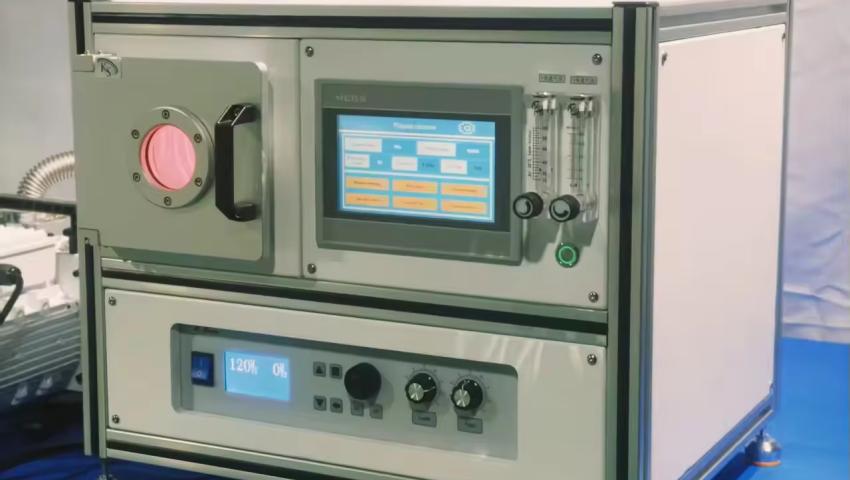
RF / DC Plasma System Configuration
Configuration and optimization of RF and DC plasma systems for stable operation, precise process control, and repeatable performance in vacuum-based applications.
Virospuk provides RF and DC plasma system configuration services for research laboratories, material processing environments, and experimental setups requiring controlled plasma generation. Plasma-based processes are widely used in applications such as surface treatment, thin film deposition, etching, and cleaning. The effectiveness of these processes depends on the stability and controllability of the plasma.
Improper configuration can lead to unstable discharge, inconsistent processing, and reduced system efficiency. This service focuses on establishing well-configured plasma systems by aligning power delivery, vacuum conditions, gas flow, and system geometry to achieve stable and repeatable operation.
Scope of Work
The service covers the complete configuration of RF and DC plasma systems, including system setup, parameter definition, and operational optimization.
Application Analysis
The process begins with a detailed understanding of the intended application. This includes:
- Type of plasma process (cleaning, deposition, etching, etc.)
- Materials involved and their interaction with plasma
- Required plasma characteristics such as density and uniformity
- Operating environment and constraints
This ensures that the configuration is tailored to the specific process requirements.
System Configuration
The plasma system is configured by integrating and aligning key components required for operation. This includes:
- Plasma chamber setup and geometry considerations
- Electrode or target configuration
- Electrical connections and grounding
- Compatibility with vacuum and gas systems
The configuration ensures that all components function together as a cohesive system.
Power Supply Integration
Power delivery is a critical aspect of plasma generation. Virospuk configures appropriate power systems based on application requirements:
- RF power supply integration for capacitively or inductively coupled plasma
- DC power supply configuration for sputtering and other applications
- Matching network setup for RF systems
- Control of power levels and stability
Proper power configuration ensures efficient energy transfer and stable plasma formation.
Gas and Pressure Coordination
Plasma behavior is strongly influenced by gas composition and pressure. This includes:
- Configuration of gas flow rates and ratios
- Control of chamber pressure levels
- Coordination between gas input and vacuum pumping
- Stabilization of process conditions
This ensures consistent plasma characteristics and process repeatability.
Plasma Stability and Optimization
The system is tuned to achieve stable plasma under operating conditions. This involves:
- Adjustment of power, pressure, and gas parameters
- Elimination of instabilities such as arcing or uneven discharge
- Optimization of plasma uniformity
- Ensuring consistent ignition and operation
Optimization is critical for achieving reliable and repeatable results.
Instrumentation and Monitoring
Monitoring systems are integrated to observe and control plasma behavior. This includes:
- Measurement of electrical parameters such as voltage and current
- Pressure and flow monitoring
- Integration with data acquisition systems
- Provision for diagnostics and analysis
Monitoring enables better control and understanding of the process.
Safety and Protection
Plasma systems involve high voltage and controlled environments, requiring proper safety considerations:
- Electrical isolation and grounding
- Protection against arcing and overload
- Safe handling of gases and vacuum systems
- Implementation of protective interlocks where required
System Integration
The plasma system is integrated with other subsystems to ensure coordinated operation. This includes:
- Integration with vacuum chambers and pumping systems
- Compatibility with gas delivery systems
- Coordination with deposition or etching processes
- Alignment with overall experimental setup
Testing and Validation
The configured system is tested to verify performance and reliability. This includes:
- Plasma ignition and stability testing
- Evaluation under different operating conditions
- Verification of repeatability
- Identification and correction of issues
Applications
RF and DC plasma system configuration is essential in:
- Plasma cleaning and surface activation
- Thin film deposition processes
- Etching and material removal
- Surface modification and treatment
- Research and experimental plasma systems
Approach
Virospuk follows a structured engineering approach:
- Application-specific configuration
- Integration of power, gas, and vacuum systems
- Focus on stability and repeatability
- Clear parameter definition and documentation
Key Outcomes
Clients benefit from:
- Stable and controlled plasma operation
- Improved process consistency and repeatability
- Optimized system performance
- Reduced operational issues and downtime
- Clear understanding of operating parameters